Beaches in Athens Greece: Complete Guide
Does Athens Have a Beach?
Athens and the Athenian Riviera
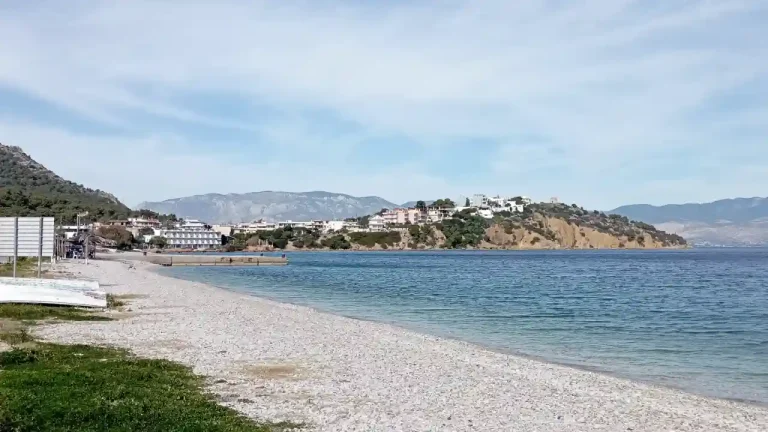
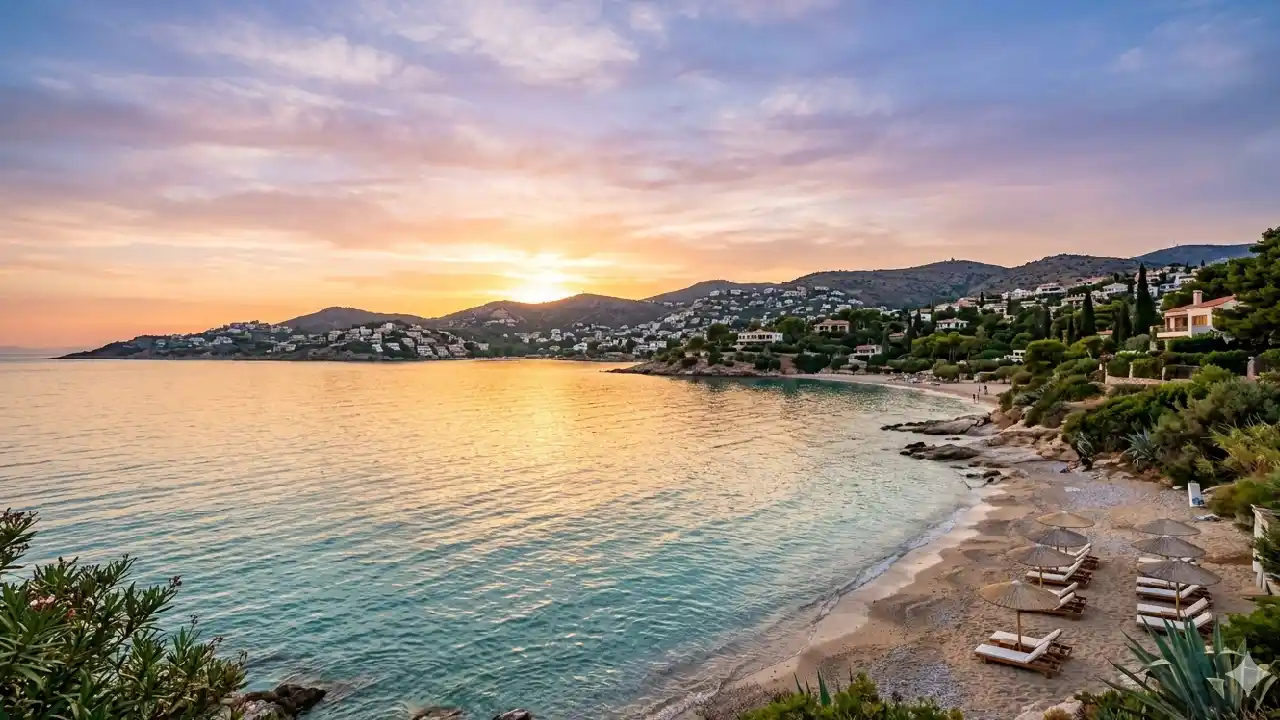
It’s a surprisingly common question: does Athens have a beach? Most people picture ancient ruins, busy streets, and rooftop views of the Acropolis—not swimming spots. But the reality is a lot more interesting. Athens doesn’t just have a beach; it has an entire coastline stretching along what’s known as the Athenian Riviera, and it’s far more accessible than most visitors expect.
Within 20 to 30 minutes from the city center, the scenery shifts. The dense urban feel softens, the air changes, and suddenly you’re looking at open water instead of historic stone. That transition is part of what makes an Athens beach experience so unique. You don’t need to commit to a full-day trip or hop on a ferry. You can decide in the morning and be in the sea before lunchtime.
The coastline itself runs for dozens of kilometers, offering a mix of organized beaches, quiet coves, sandy stretches, and rocky edges. Some spots feel polished and structured, with sunbeds and beach bars, while others feel more natural and low-key. That range means you’re not locked into one kind of experience—you can adjust based on your mood.
What catches many travelers off guard is the water quality. It’s not what you’d expect from a capital city. In many places, the water is clear, calm, and genuinely inviting. You’ll often see locals treating the beach as part of their daily routine—something normal, not a special occasion.
Once you see how seamlessly the sea fits into the city, the question shifts. It’s no longer “does Athens have a beach?” but “why didn’t I plan more time for it?”
Why People Overlook Athens Beaches
Athens has a bit of an image problem when it comes to beaches. It’s not that the beaches aren’t good—it’s that they’re rarely the headline. When people plan a trip to Greece, their minds go straight to the islands. Santorini, Mykonos, Crete. Athens often becomes a quick stop before moving on.
That assumption skips over something important. The best beaches in Athens offer a different kind of experience—one that blends city life with coastal downtime. You’re not isolated on an island. You’re moving between history, food, neighborhoods, and the sea, all within the same day.
Another reason these beaches get overlooked is expectation. Some travelers assume that a city beach won’t be clean or worth the effort. But that doesn’t really hold up here. Many Athens beach spots are well-maintained, organized, and surprisingly clear. Some even meet international standards for cleanliness and safety.
There’s also a simple awareness gap. Not everyone realizes how easy it is to get to these beaches. Public transport connects directly to the coast, and the journey itself is straightforward. No complicated planning, no extra bookings.
In a way, this lack of attention works in your favor. While the islands get crowded and expensive, Athens offers something a bit more flexible and often more relaxed. It feels less like a checklist destination and more like something you discover naturally.
Best Beaches in Athens
Glyfada Beach
Glyfada is usually where people start—and it makes sense. It’s close, easy to reach, and doesn’t require much planning. You can hop on a tram, sit back for a while, and watch the city slowly give way to the coast. By the time you arrive, you’re already in a different mindset.
This is one of the more lively Athens beach options. There’s movement, noise, and a steady flow of people, but it doesn’t feel overwhelming. Instead, it has that casual, social energy where you can do as much or as little as you want. Some people come for a quick swim. Others settle in for the entire day.
The beach itself is a mix of organized and free areas. If you want comfort, you can rent a sunbed and have everything within reach—drinks, food, shade. If you prefer something simpler, there are spots where you can just lay down a towel and enjoy the water without spending anything.
What makes Glyfada stand out isn’t just the beach—it’s everything around it. Cafes, restaurants, and small shops are all within walking distance. You’re not cut off from the city; you’re just experiencing a different side of it.
It’s not the quietest option, and that’s kind of the point. Glyfada feels alive. If you’re testing the waters of the best beaches in Athens, this is an easy place to begin without overthinking it.
Vouliagmeni Beach
Vouliagmeni offers a noticeable shift in pace. Where Glyfada feels energetic, this feels more controlled, more intentional. It’s one of those places where everything is set up so you don’t have to think too much—you just arrive and settle in.
There’s usually an entrance fee, and that tends to filter the crowd a bit. What you get in return is a cleaner, quieter environment with well-maintained facilities. Sunbeds are spaced out, the surroundings are tidy, and the overall atmosphere leans toward calm rather than busy.
The water is a big part of the appeal. Clear, steady, and easy to get into, it’s the kind of place where you go in “just for a minute” and end up staying much longer. It doesn’t feel rushed.
Nearby, the area itself adds to the experience. You’ll find places to eat, walk, and even explore beyond the beach. Some visitors pair their time here with a stop at Lake Vouliagmeni, which adds a different kind of relaxation to the day.
Among the best beaches in Athens, this one leans toward comfort and ease. It’s less about energy and more about enjoying a slower, more settled rhythm.
Varkiza Beach
Varkiza sits a bit further along the coast, and that extra distance makes a difference. It tends to feel more open, less crowded, and easier to settle into, especially if you’re planning to stay for a while.
This is one of the better choices for a relaxed day. The shoreline is softer compared to some other areas, and the water stays relatively calm, which makes it appealing for a wide range of visitors. Families often gravitate here, but it doesn’t feel exclusively family-oriented—it works for anyone looking for a quieter setting.
Facilities are still available, but they don’t dominate the space. You can rent what you need or keep things simple. Food options are nearby, and you’re not far from anything essential, but the overall feel is less commercial.
There’s also more room to breathe. Even during busier periods, it rarely feels as packed as some closer beaches. That alone changes the experience. You’re not constantly adjusting or competing for space.
If you’re exploring the best beaches in Athens and want something that feels balanced—accessible but not hectic—Varkiza tends to land in that middle ground.
Hidden Beaches in Athens
Kavouri Beach
Kavouri doesn’t try to stand out, and that’s exactly why it does. It feels quieter from the start, almost like it exists just outside the main flow of beach traffic. You won’t find the same level of activity here, and for a lot of people, that’s the appeal.
The setting plays a big role. Trees line parts of the beach, offering natural shade that changes the whole experience. Instead of umbrellas and tightly packed rows, you get a more open, relaxed layout. You can settle in without feeling like you’re part of a crowd.
The water is typically calm and clear, making it easy to spend time in without much effort. You don’t have to plan activities or move around constantly. It’s the kind of place where doing nothing actually feels like enough.
There are still a few places nearby to grab food or drinks, but they don’t dominate the atmosphere. Everything moves at a slower pace.
Among the best beaches in Athens, Kavouri feels the most personal. It’s less about what’s available and more about how it makes you feel once you’re there.
Schinias Beach
Schinias feels different before you even reach the water. The drive itself sets the tone, with the landscape gradually opening up into something less urban and more natural. By the time you arrive, it’s clear this isn’t your typical Athens beach.
The beach stretches out wide, with long sections of sand and fewer built-up areas. Behind it, there are patches of forest that give the whole place a slightly wild feel. It doesn’t feel disconnected from nature—it feels part of it.
Because of the space, it never feels too crowded, even when people are around. You can walk for a while and still find your own spot. That sense of openness changes how you experience the day. There’s less noise, less structure, and more freedom.
The water here is generally shallow near the shore, which makes it easy to ease into. In certain conditions, it also attracts people interested in water sports, adding another layer without overwhelming the space.
If you’re looking for something that breaks away from the usual pattern of organized beaches, Schinias offers a different perspective on what the best beaches in Athens can be.
What Makes Athens Beaches Special
Water Quality and Blue Flag Beaches
One thing that tends to surprise people is just how clean the water is. There’s an assumption that city beaches come with trade-offs, but that doesn’t really apply here. Many Athens beach locations meet high environmental standards, and it shows the moment you step into the water.
Clarity is the first thing you notice. On a calm day, you can see straight down without any effort. That alone changes how comfortable the experience feels, especially if you’re planning to swim rather than just sit by the shore.
Some beaches carry Blue Flag status, which reflects consistent monitoring and maintenance. It’s not just about appearances—it’s about actual water quality, safety measures, and how the space is managed.
This consistency makes it easier to trust what you’re getting. You don’t have to guess or rely on luck. Whether you’re at a more organized beach or a quieter spot, the baseline quality tends to stay high.
It’s one of the reasons the best beaches in Athens are starting to get more attention. They’re not just convenient—they’re genuinely good.
Easy Access from the City
Accessibility might be the most underrated part of the experience. In many destinations, going to the beach requires planning, time, and sometimes extra cost. In Athens, it’s much simpler.
Public transport connects directly to several coastal areas, and the routes are straightforward. You don’t need to figure out complicated transfers or schedules. Even first-time visitors can manage it without much effort.
Travel times are short enough that the beach doesn’t have to be the main event. You can fit it into a day that includes other plans. That flexibility changes how you approach your trip.
For those who prefer more freedom, driving opens up additional options, especially for quieter or more distant beaches. But it’s not a requirement.
This ease of access is what ties everything together. The best beaches in Athens aren’t just about the water—they’re about how naturally they fit into your time in the city.
Best Time to Visit Athens Beaches
Weather Throughout the Year
Athens has a long beach season, but each part of it feels slightly different. Late spring starts to warm things up, and by early summer, the coastline becomes a regular part of daily life.
July and August bring the highest temperatures, and that’s when the beaches are at their busiest. The heat pushes people toward the water, and the atmosphere becomes more social and active.
June and September often feel more balanced. The weather is still warm, the water is comfortable, but the intensity drops a bit. These months tend to offer a smoother experience overall.
Even outside peak season, the coast doesn’t lose its appeal. It just shifts in how it’s used. Walking, sitting, and enjoying the view replace swimming as the main activity.
Avoiding Crowds
Crowds in Athens beaches follow a pattern, and once you notice it, it’s easy to work around. Weekends tend to be busier, especially in the middle of summer. Popular spots fill up quickly, and the energy rises with it.
If you prefer something quieter, timing makes a big difference. Early mornings and weekdays are usually calmer. You get the same المكان, but with more space and less noise.
Choosing less central beaches also helps. Even a short trip further along the coast can change the experience completely.
It’s not about avoiding people entirely—it’s about finding the version of the beach that fits what you’re looking for.
Tips for Visiting Athens Beaches
What to Bring
A beach day in Athens doesn’t require much, but a few basics make everything easier. Sun protection is essential, especially during the summer months when the sun feels stronger than expected.
Water, a towel, and something light to wear after swimming are usually enough to get through the day comfortably. Organized beaches provide more, but having your own essentials keeps things flexible.
If you’re heading somewhere less developed, bringing a bit extra—like snacks or shade—can make a noticeable difference.
Safety and Local Etiquette
Athens beaches are generally safe, but staying aware of your surroundings is always a good idea. Keeping personal items secure and paying attention to conditions in the water helps avoid small issues.
Local etiquette is simple and mostly unspoken. Respect the space, clean up after yourself, and keep noise at a reasonable level. The atmosphere tends to stay relaxed when everyone follows the same basic approach.
Conclusion
Athens doesn’t separate its beaches from the rest of the city—it blends them in. That’s what makes the experience feel natural rather than planned.
You can move from history to coastline without much effort, and that shift adds something unexpected to the trip. The variety, the accessibility, and the overall quality all come together in a way that’s easy to appreciate once you see it for yourself.
So if the question is still “does Athens have a beach?”—the better question might be how you missed it in the first place.
FAQs
Yes, several beaches are within 20–30 minutes and easily accessible by public transport.
Glyfada, Vouliagmeni, Varkiza, Kavouri, and Schinias are among the most popular choices.
Yes, many meet high environmental standards and offer clear, swimmable water.
Late spring to early autumn is ideal, with June and September offering the best balance.
Yes, many beaches are free, though some organized ones charge for amenities.