Athens in 4 Days: The Ultimate Travel Guide
Why Visit Athens for 4 Days
A Perfect Blend of History and Modern Life
Athens is the kind of city that doesn’t just tell stories—it lives them. One moment you’re standing in front of the legendary Parthenon, and the next you’re weaving through modern streets filled with cafés, street art, and everyday life. That contrast is what makes Athens unforgettable. It’s not frozen in time like some historic destinations. Instead, it breathes, evolves, and invites you to become part of its rhythm.
Spending 4 days in Athens gives you the space to experience both sides of the city without rushing. You’re not just checking landmarks off a list—you’re actually absorbing the atmosphere. You’ll hear the hum of conversations in local tavernas, smell fresh bread from neighborhood bakeries, and watch the sunset cast golden light over ancient ruins that have stood for thousands of years.
What’s especially fascinating is how seamlessly history blends into daily life. Ancient columns stand beside busy streets, and archaeological sites appear unexpectedly between shops and apartments. It’s like the past and present are having an ongoing conversation—and you’re invited to listen.
The people add another layer to the experience. Athenians are warm, expressive, and often eager to share their culture. Whether it’s a quick recommendation for the best souvlaki or a longer conversation about local traditions, these interactions make the city feel personal.
Four days isn’t just enough time to see Athens—it’s enough time to start understanding it. And once you do, you’ll realize this city isn’t just a destination. It’s an experience that stays with you.
Is 4 Days Enough for Athens?
Four days in Athens strikes a rare balance. It’s long enough to dive into the city’s highlights without feeling rushed, yet short enough to keep every day exciting and purposeful. You won’t see absolutely everything—and that’s actually a good thing. Athens isn’t meant to be rushed or “completed.” It’s meant to be experienced.
Think about how travel usually goes. When you try to squeeze too much into a short time, everything starts to blur together. But with a 4-day Athens itinerary, you have room to breathe. You can spend a full morning exploring the Acropolis without worrying about the next stop. You can linger over lunch, wander through neighborhoods, and allow spontaneous moments to shape your trip.
Each day naturally builds on the last. The first day introduces you to ancient history, the second immerses you in culture and food, the third reveals hidden gems and coastal beauty, and the fourth expands your perspective with day trips or deeper exploration. This structure keeps things balanced and engaging.
Another advantage of four days is flexibility. Maybe you discover a neighborhood you love and want to return. Or maybe the weather shifts your plans. Having extra time means you can adapt without stress.
So, is four days enough? Yes—if you focus on quality over quantity. Instead of trying to see everything, you experience the most meaningful parts of Athens. And in doing so, you create memories that feel deeper and more authentic.
Day 1: Exploring Ancient Athens
Visit the Acropolis and Parthenon
No visit to Athens feels complete without standing on the Acropolis. It’s more than just a historical site—it’s the symbol of the city and one of the most important landmarks in the world. Starting your journey here sets the tone for everything that follows.
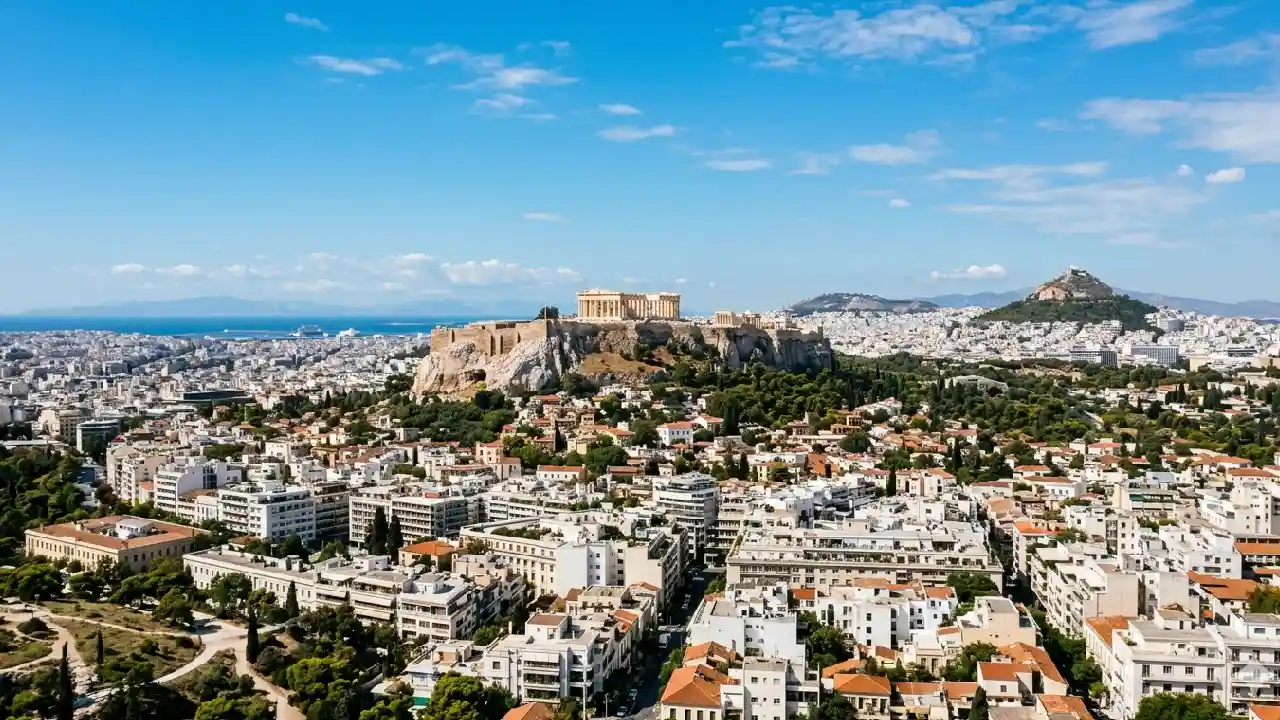
As you walk up the hill, there’s a sense of anticipation that builds with every step. The path is lined with remnants of ancient structures, each one hinting at the grandeur that awaits. When you finally pass through the Propylaea, the monumental gateway, the view opens up—and there it is: the Parthenon.
Seeing the Parthenon in person is a completely different experience from seeing it in photos. Its scale, symmetry, and presence are striking. Built in the 5th century BC, it represents the peak of ancient Greek architecture. What’s even more impressive is the level of precision involved. Subtle curves and angles were intentionally designed to create the illusion of perfect symmetry.
But the Acropolis isn’t just about one building. The Erechtheion, with its iconic Caryatid columns, adds another layer of artistry and meaning. Each structure tells a story about religion, politics, and daily life in ancient Athens.
Take your time here. Walk slowly, pause often, and let your imagination fill in the gaps. This isn’t just a historical site—it’s a window into a civilization that shaped the modern world.
Discover the Acropolis Museum
Just a short walk from the Acropolis, the Acropolis Museum offers a deeper understanding of everything you’ve just seen. While the ruins show you the scale and structure of ancient Athens, the museum reveals the details—the craftsmanship, the symbolism, and the human stories behind it all.
The building itself is a work of art. Designed with glass floors and open spaces, it creates a connection between the exhibits and the archaeological remains beneath them. As you walk through, you’re not just observing history—you’re walking above it.
Inside, the museum houses thousands of artifacts, from sculptures to everyday objects. One of the highlights is the Parthenon Gallery, where the friezes and sculptures are displayed in alignment with the actual temple. This layout helps you visualize how everything originally fit together.
What makes this museum special is how accessible it feels. The information is presented clearly, without overwhelming you. Even if you’re not usually drawn to museums, you’ll find yourself engaged and curious.
By the time you leave, the Acropolis will feel more complete. You won’t just remember what you saw—you’ll understand it on a deeper level.
Walk Through Plaka Neighborhood
After a morning of ancient history, Plaka offers a completely different experience—one that feels warm, relaxed, and full of life. Nestled at the base of the Acropolis, this neighborhood is often called the “old town” of Athens, and it’s easy to see why.
The streets are narrow and winding, lined with colorful houses, small shops, and inviting cafés. It’s the kind of place where you can wander without a plan and still find something memorable. Every corner seems to reveal a new detail—a balcony filled with flowers, a hidden courtyard, or a quiet church.
Plaka is also a great place to experience Greek food. Traditional tavernas serve dishes made from fresh, local ingredients, often based on recipes passed down through generations. Sitting outside, enjoying a meal with the Acropolis in view, creates a moment that feels both simple and special.
What makes Plaka stand out is its atmosphere. It’s lively without being overwhelming, historic without feeling distant. It captures the essence of Athens in a way that feels personal and approachable.
As your first day comes to an end, Plaka provides the perfect setting to relax, reflect, and prepare for everything still to come.
Day 2: Culture, Food, and Local Life
Explore the National Archaeological Museum
Day 2 in Athens shifts the focus from open-air ruins to carefully preserved treasures inside one of the most important museums in the world—the National Archaeological Museum. If the Acropolis showed you the stage of ancient Greek civilization, this museum shows you the people, the craftsmanship, and the everyday reality behind it.
The moment you step inside, the scale of the collection becomes obvious. Vast halls stretch out in different directions, each dedicated to a specific period of Greek history. It can feel overwhelming at first, but that’s part of the experience. You’re not meant to rush—you’re meant to wander, pause, and let each artifact tell its story.
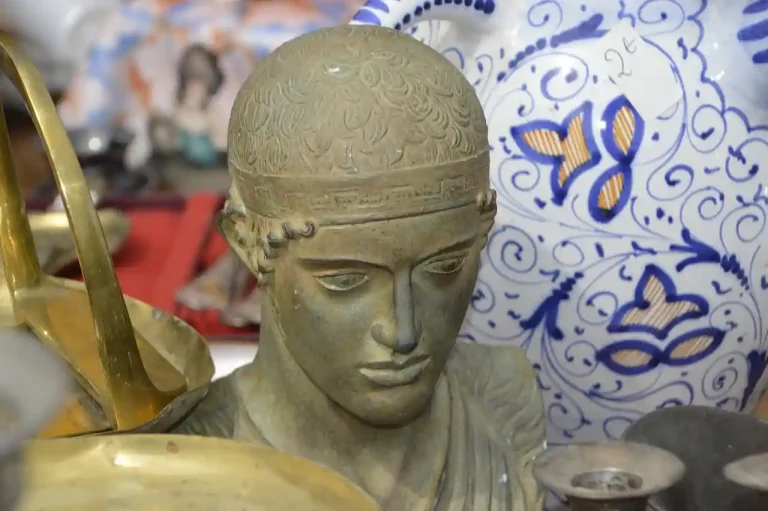
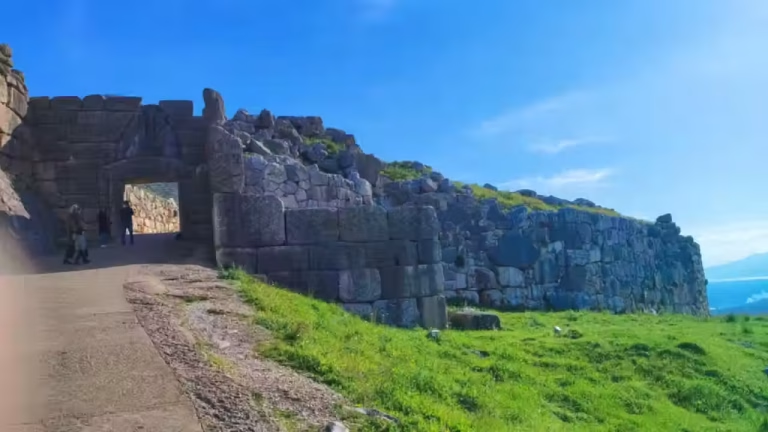
One of the most famous pieces is the Mask of Agamemnon, a golden funerary mask from the Mycenaean era. Standing in front of it, you realize how far back Greek civilization stretches—long before classical Athens even existed. Then there’s the Antikythera Mechanism, a mysterious bronze device often called the world’s first analog computer. It challenges assumptions about ancient technology and reminds you that innovation didn’t begin in the modern era.
What makes this museum especially powerful is how it connects everything you’ve seen so far. The sculptures, pottery, and relics give meaning to the ruins on the Acropolis. Suddenly, those broken columns and weathered stones feel more complete, as if the museum fills in the missing chapters of a long story.
Spending time here also changes your pace. After the open sunlight of Day 1, the museum offers shade, quiet, and reflection. It’s not just about learning history—it’s about understanding the depth of it. By the time you leave, you don’t just know more about Athens; you feel more connected to it.
Experience Monastiraki and Flea Market
After the depth of the museum, Monastiraki brings you back into the lively heartbeat of the city. This area is where Athens becomes energetic, colorful, and slightly chaotic in the best possible way. It’s a place where history and modern life don’t just coexist—they overlap constantly.
The Monastiraki Flea Market is the center of it all. Despite the name, it’s not just a weekend attraction—it’s an everyday experience. Streets are filled with vendors selling antiques, souvenirs, clothing, handmade crafts, and all kinds of unexpected items. It feels less like a structured market and more like a living, breathing maze of commerce and culture.
Walking through Monastiraki, you notice how quickly the atmosphere shifts from one street to another. One moment you’re browsing vintage records, the next you’re standing beside Roman ruins or Byzantine churches. The Hadrian’s Library and Ancient Agora sit quietly among the chaos, reminding you that this area has been a center of activity for thousands of years.
Food plays a huge role here. Street vendors serve freshly made gyros, wrapped in warm pita and packed with flavor. It’s simple, fast, and incredibly satisfying—perfect for eating while you continue exploring. You’ll also find small cafés where locals gather for coffee, conversation, and people-watching.
As the afternoon turns into evening, Monastiraki transforms again. Rooftop bars fill with people, and the view of the Acropolis glowing against the night sky becomes the highlight of the day. It’s one of those rare places where the past is always visible, no matter what time it is.
Taste Authentic Greek Cuisine
Food in Athens is not just something you eat—it’s something you experience. Greek cuisine is built around freshness, simplicity, and shared moments. It reflects the country’s culture in a very direct and honest way.
Start with the classics: souvlaki, moussaka, Greek salad, and tzatziki. These dishes might seem familiar globally, but in Athens they taste different—brighter, fresher, and more authentic. Ingredients are locally sourced, and recipes often follow traditions that haven’t changed for generations.
One of the best ways to experience Greek food is by visiting a traditional taverna. These are usually family-run restaurants where cooking is treated as a craft rather than a business. The menus are often simple, but the quality speaks for itself. Don’t be surprised if the owner comes over to recommend a dish or offer something not listed on the menu.
Seafood is another highlight, especially if you’re dining near coastal areas. Grilled fish, calamari, and octopus are prepared with minimal seasoning, allowing the natural flavors to stand out. Meals are often paired with local wine or a glass of ouzo, adding to the experience.
What makes dining in Athens special is the pace. Meals are not rushed. People sit, talk, share food, and enjoy the moment. There’s no pressure to leave quickly. It’s a reminder that food is not just fuel—it’s connection.
By the end of Day 2, you begin to understand Athens not just as a historical city, but as a living culture expressed through everyday life.
Day 3: Hidden Gems and Coastal Escape
Visit Anafiotika and Lycabettus Hill
Day 3 is about stepping away from the obvious and discovering the quieter, more personal side of Athens. Your first stop, Anafiotika, feels almost like a secret within the city. Hidden beneath the Acropolis, this tiny neighborhood is unlike anything else in Athens.
Its whitewashed houses, narrow pathways, and bright blue doors resemble a Cycladic island village rather than a capital city. That’s because it was built in the 19th century by craftsmen from the island of Anafi, who brought their architectural style with them. The result is a peaceful, almost surreal pocket of calm in the middle of urban Athens.
Walking through Anafiotika feels like stepping outside of time. There are no big attractions or crowds—just quiet streets, blooming plants, and the occasional cat resting in the sun. It’s a place meant for slow wandering, not structured sightseeing.
From there, the energy shifts as you make your way to Lycabettus Hill, the highest point in Athens. Whether you hike or take the funicular, the climb is worth it. At the top, you’re rewarded with a panoramic view that stretches across the entire city.
From this height, Athens reveals itself in layers. You can see ancient ruins, modern neighborhoods, and the coastline all at once. At sunset, the view becomes even more dramatic as the city turns golden and the Acropolis lights up in the distance.
This combination of hidden charm and sweeping views shows a different side of Athens—one that feels more personal and reflective.
Relax at the Athens Riviera
After two days of walking and exploring, the Athens Riviera offers a welcome shift in pace. Located along the southern coastline, this area feels like a different world compared to the city center, even though it’s only a short ride away.
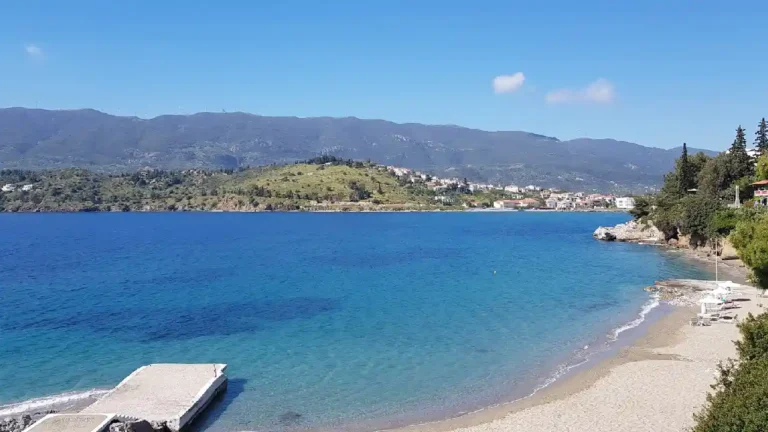
The Riviera stretches along the Saronic Gulf and includes a variety of beaches, from lively organized spots to quiet hidden coves. Areas like Glyfada and Vouliagmeni are popular for their clear waters, beach clubs, and relaxed atmosphere. Meanwhile, smaller stretches of coastline offer more solitude for those looking to unwind.
Swimming in the Aegean Sea is one of the simplest yet most memorable experiences in Athens. The water is clean, calm, and strikingly blue. Time seems to slow down here. You’re no longer moving from place to place—you’re just present.
Seaside restaurants add another layer to the experience. Fresh seafood, chilled drinks, and ocean views create the perfect setting for a slow afternoon. It’s not about luxury—it’s about ease.
The Riviera balances your trip by adding nature and relaxation to an itinerary otherwise filled with history and culture.
Sunset Views and Nightlife
Athens at night feels like a different city. The pace changes, the streets light up, and the atmosphere becomes more energetic. One of the best ways to experience this transformation is by watching the sunset from a rooftop bar.
From areas like Monastiraki or Psiri, rooftop venues offer unobstructed views of the Acropolis. As the sun sets, the marble structures glow in warm tones, creating one of the most iconic views in Europe. It’s a moment that captures everything Athens represents—history, beauty, and life all in one frame.
After sunset, nightlife begins to unfold. Athens offers a wide range of experiences, from quiet wine bars to lively music spots. The city doesn’t force you into a single type of night—you can shape it however you want.
What makes nightlife here unique is its fluidity. Plans are often spontaneous, and nights evolve naturally. You might start with a drink, move to another neighborhood, and end up sharing food at a late-night spot without ever planning it.
This unpredictability is part of the charm. Athens doesn’t follow a strict script—it invites you to follow the moment.
Day 4: Day Trips and Final Experiences
Visit Delphi or Cape Sounion
The final day of your Athens in 4 days itinerary is your chance to step slightly outside the city and experience Greece on a broader scale. Athens gives you layers of history and culture, but nearby destinations like Delphi and Cape Sounion expand that story into landscapes, mythology, and open horizons.
If you choose Delphi, you’re heading into one of the most important archaeological sites in ancient Greece. Located about 2.5 hours from Athens, Delphi was once considered the center of the world in Greek mythology. People traveled from across the ancient world to consult the Oracle of Apollo, seeking guidance that could shape wars, politics, and personal decisions.
Arriving in Delphi today feels almost cinematic. The site is built into the slopes of Mount Parnassus, surrounded by dramatic mountain views that shift with the light. As you walk through the ruins, you pass the Temple of Apollo, ancient theaters, treasuries, and pathways that once carried pilgrims. The air feels different here—quieter, more reflective.
What makes Delphi powerful is not just what remains, but what it represents. It’s a place where mythology, religion, and politics once intersected. Standing there, you start to understand how deeply the ancient Greeks believed in fate, prophecy, and divine influence.
If you prefer something closer and more relaxed, Cape Sounion is an excellent alternative. Located about an hour from Athens, it’s home to the Temple of Poseidon, dramatically positioned on a cliff overlooking the Aegean Sea.
The drive itself is part of the experience, following a coastal road with endless sea views. When you arrive, the temple appears suddenly against the sky, isolated and powerful. Unlike Delphi’s mountain setting, Sounion feels open and vast.
The real highlight here is sunset. As the sun drops into the sea, the temple turns into a silhouette against a sky filled with gold, orange, and deep blue tones. It’s one of those rare travel moments where everything feels perfectly still.
Both destinations offer something different—Delphi gives depth and mythology, while Sounion offers simplicity and natural beauty.
Shopping and Souvenirs
After days of exploration, your final hours in Athens are perfect for slowing down and collecting memories in a tangible way. Shopping in Athens isn’t just about buying souvenirs—it’s about choosing pieces of culture that stay with you long after you leave.
One of the best places to start is Ermou Street, a central shopping avenue that blends international brands with local stores. It’s lively, walkable, and always full of energy. But if you’re looking for something more traditional and unique, neighborhoods like Plaka, Monastiraki, and Kolonaki offer far more character.
In these areas, you’ll find handmade goods that reflect Greek heritage. Popular items include:
- Olive oil products and natural skincare made from local ingredients
- Handcrafted leather sandals inspired by ancient designs
- Ceramics painted with traditional patterns
- Jewelry influenced by ancient Greek symbols and mythology
- Local spices, honey, and herbal teas
What makes shopping in Athens special is that many of these items are made locally, often by small family businesses. You’re not just buying something decorative—you’re supporting artisans who continue long-standing traditions.
Monastiraki Flea Market is especially worth revisiting on your last day. Without the pressure of sightseeing, you can browse slowly, talk to vendors, and pick items that genuinely connect with your experience.
This final shopping phase also doubles as reflection time. As you walk through familiar streets, you start recognizing places you’ve already been. The city feels less like a destination now and more like a place you briefly belonged to.
Final Reflections and Travel Tips
By the end of your 4 days in Athens, the city reveals itself not as a checklist of attractions, but as a layered experience. You’ve seen ancient temples, modern neighborhoods, coastal escapes, and hidden corners. But more importantly, you’ve experienced how all these elements coexist in one living city.
One of the most important travel lessons in Athens is pacing. The city rewards those who don’t rush. Some of the best moments happen unexpectedly—an unplanned café stop, a quiet street in Plaka, or a sunset you didn’t plan to catch.
Walking is your best companion here. Athens is compact enough that many major sites are close together, and exploring on foot allows you to notice details you would otherwise miss. Comfortable shoes are not optional—they are essential.
Another useful tip is to start early, especially for major attractions like the Acropolis. Early mornings offer cooler temperatures and fewer crowds, making the experience more peaceful and enjoyable.
Engaging with locals also adds depth to your trip. Even small interactions—asking for directions, ordering food, or chatting in a café—can lead to meaningful moments. Athenians are generally warm and open, and many enjoy sharing their city with visitors.
If there’s one final takeaway from Athens, it’s this: the city doesn’t try to impress you in a polished, predictable way. Instead, it gradually reveals itself through contrasts—ancient and modern, chaotic and calm, historic and everyday.
Four days is enough to begin understanding that balance. And once you leave, Athens doesn’t feel finished. It feels like a place you’ve only just started getting to know.